
The Best TV Shows on ABC TV
Every ABC TV Show Ranked From Best To Worst
Across the timeline from 1961 to 2018, ABC TV has presented audiences with over 20 captivating shows. Leading the pack on ABC TV are Four Corners and Media Watch, with their initial broadcasts in 1961 and 1989. Discover the best of ABC TV with our list of over 20 series, meticulously updated for September 2026.
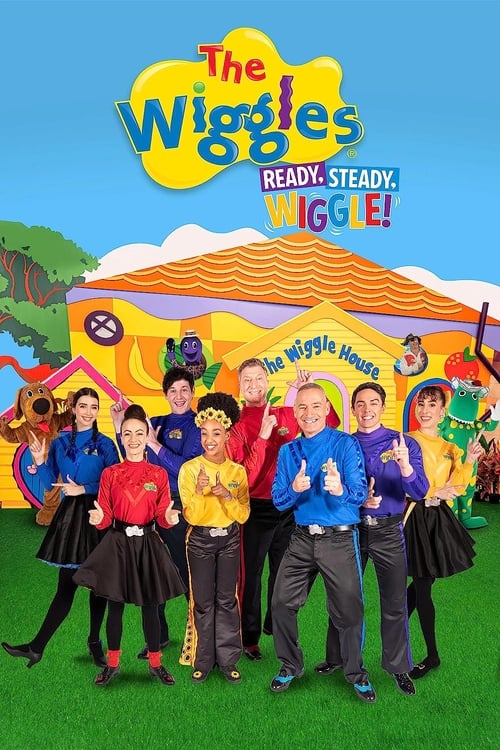 Ready, Steady, Wiggle! (2013)9.8
New and old friends join The Wiggles for their musical adventures in Wiggle Town, learning lessons and solving problems as they go.
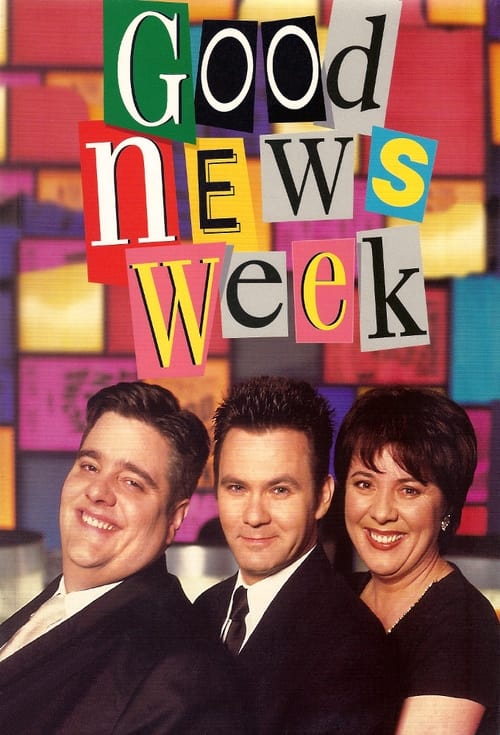 Good News Week (1996)8.3
Good News Week was an Australian satirical panel game show hosted by Paul McDermott that aired from 19 April 1996 to 27 May 2000, and 11 February 2008 to 28 April 2012. The show's initial run aired on ABC until being bought by Network Ten in 1999. The show was revived for its second run when the 2007–2008 Writers Guild of America strike caused many of Network Ten's imported US programmes to cease production. Good News Week drew its comedy and satire from recent news stories, political figures, media organisations, and often, aspects of the show itself. The show opened with a monologue by McDermott relating to recent headlines, after which two teams of three panellists competed in recurring segments to gain points. The show has spawned three short-lived spin-off series, the ABC's Good News Weekend, Ten's GNW Night Lite and Ten's skit-based Good News World.
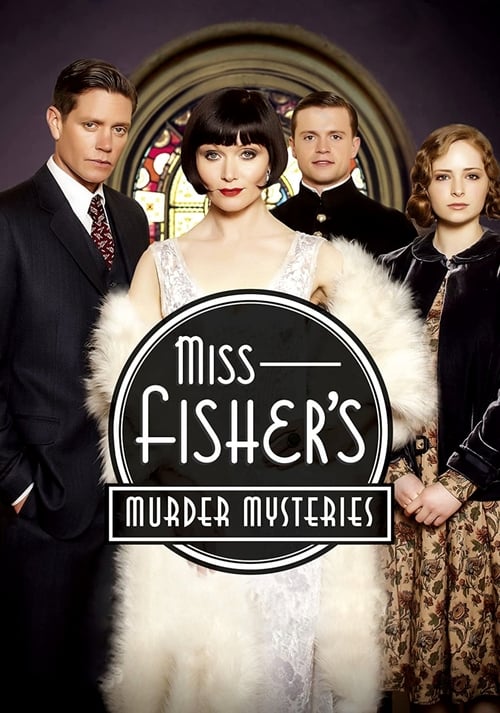 Miss Fisher's Murder Mysteries (2012)7.7
Our lady sleuth sashays through the back lanes and jazz clubs of late 1920’s Melbourne, fighting injustice with her pearl handled pistol and her dagger sharp wit. Leaving a trail of admirers in her wake, our thoroughly modern heroine makes sure she enjoys every moment of her lucky life. Based on author Kerry Greenwood's Phryne Fisher Murder Mystery novels.
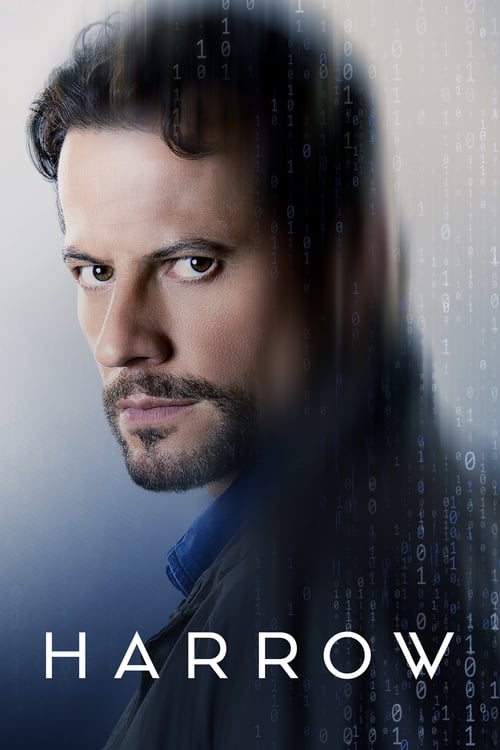 Harrow (2018)7.6
When a dark secret from this past threatens to be exposed, unorthodox and brilliant medical examiner, Doctor Daniel Harrow, must use all his forensic skills to keep it buried forever.
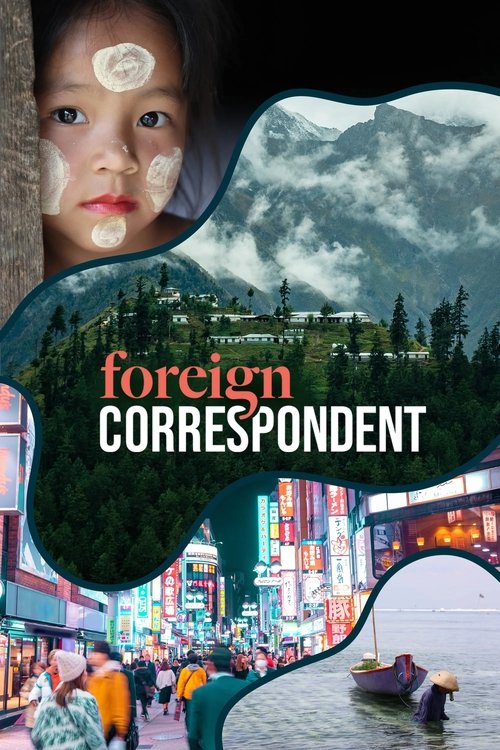 Foreign Correspondent (1992)7.5
Australia's leading international affairs program featuring fascinating, in-depth stories from the ABC's unrivalled network of foreign correspondents.
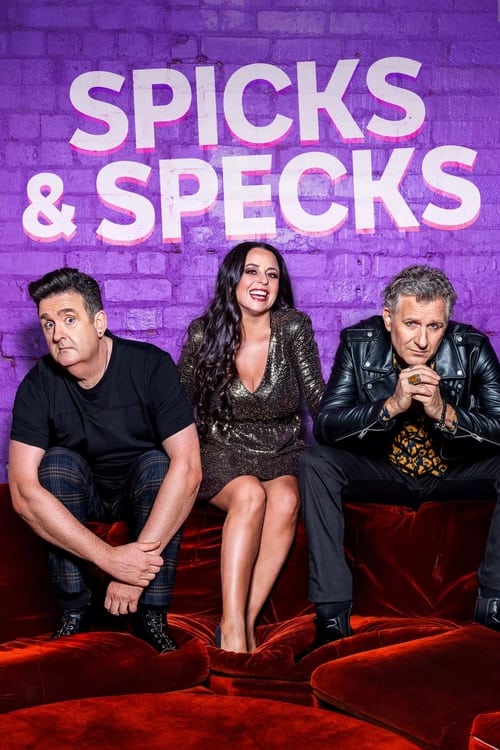 Spicks and Specks (2005)7.5
Adam Hills, one of Australia's favourite comedians and winner of Edinburgh's Best of the Fest award, is joined by two team captains, comedian and actor Alan Brough and radio breakfast announcer Myf Warhurst, as well as brave personalities who enjoy having long forgotten embarrassing stories laughed about on national television. Two teams go head to head as they sing, shout and delve deep into the recesses of their collective minds to help earn their team an extremely inglorious victory.
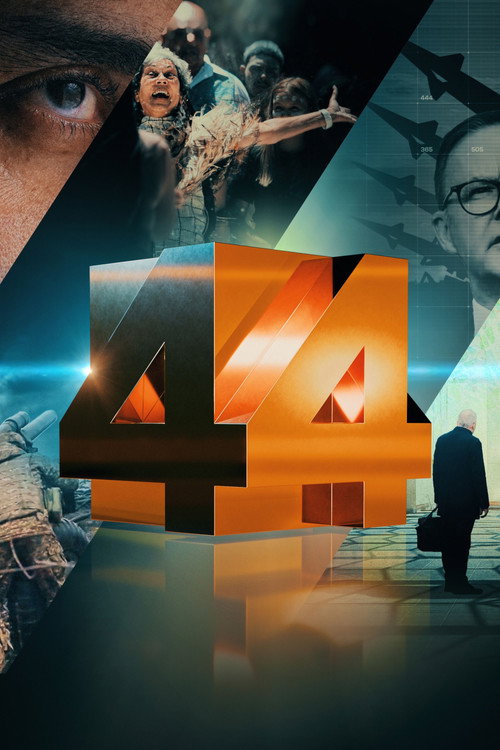 Four Corners (1961)6.9
Four Corners is Australia's longest-running investigative journalism/current affairs television program. Broadcast on ABC1 in Australia, it premiered on 19 August 1961 and celebrated its 60th anniversary in 2021. Founding producer Robert Raymond and his successor Allan Ashbolt did much to set the ongoing tone of the program. Based on the Panorama concept, the program addresses a single issue in depth each week, showing either a locally produced program or a relevant documentary from overseas. The program has won many awards for investigative journalism, and broken many high-profile stories. A notable early example of this was the show's epoch-making 1962 exposé on the appalling living conditions endured by many Aboriginal Australians living in rural New South Wales.
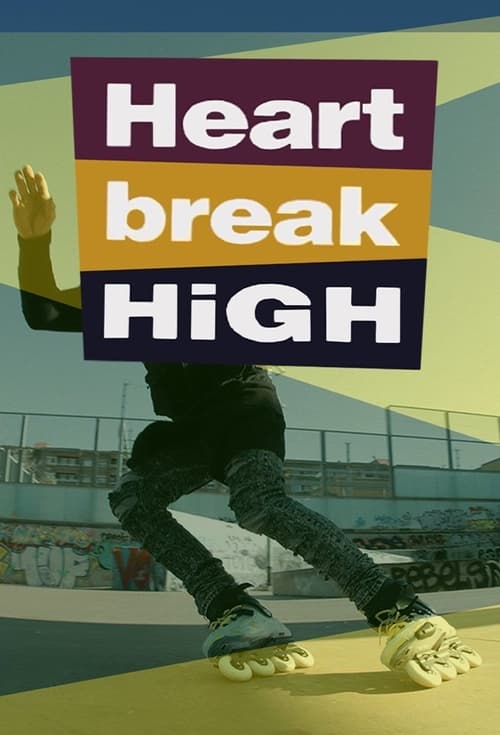 Heartbreak High (1994)6.9
The ins and outs of the classroom lives of a group of students who attend the fictional Hartley High School in Sydney.
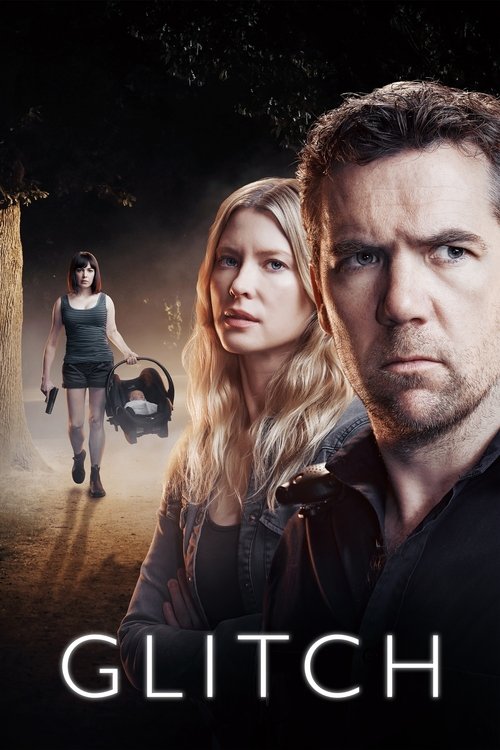 Glitch (2015)6.8
A police officer and a doctor face an emotionally charged mystery when seven local residents inexplicably return from the dead in peak physical form.
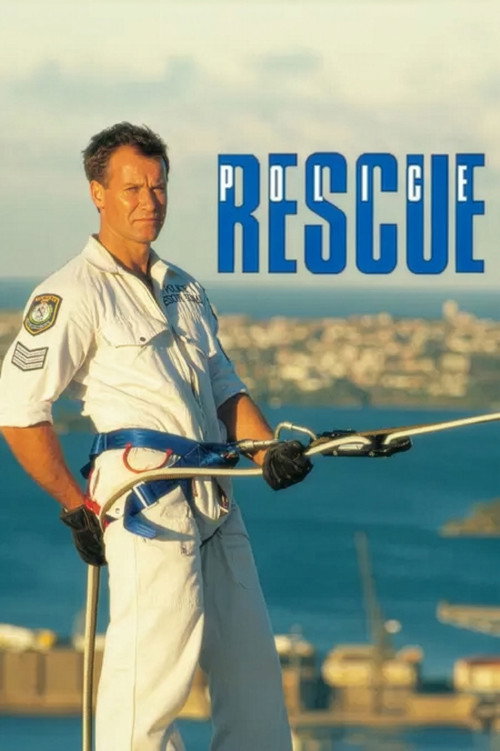 Police Rescue (1991)6.7
Police Rescue was an Australian television series The series dealt with the New South Wales Police Rescue Squad based in Sydney and their work attending to various incidents from road accidents to train crashes.
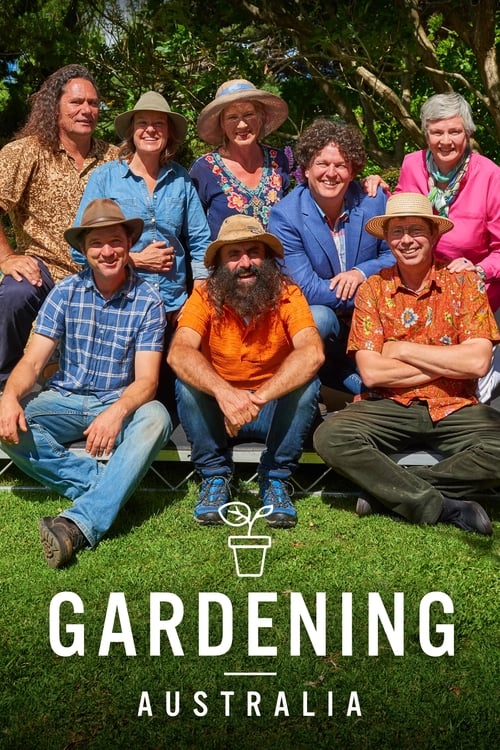 Gardening Australia (2005)6.7
Gardening Australia provides practical, realistic and credible horticultural and gardening advice, inspiring and entertaining Australian gardeners around the nation.
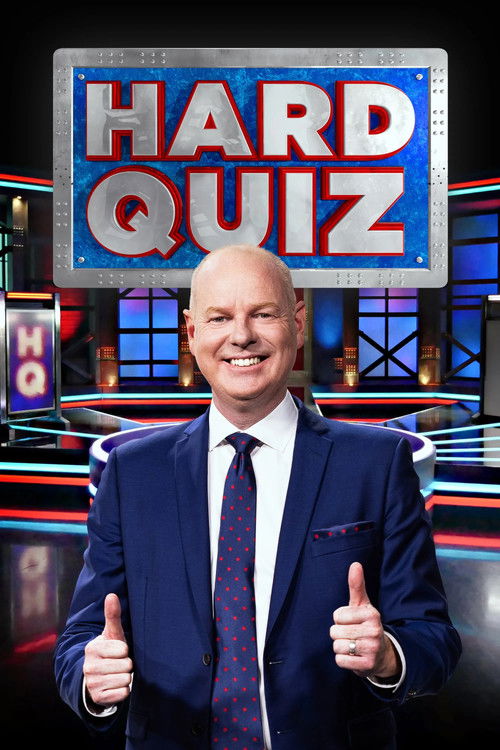 Hard Quiz (2016)6.5
Host Tom Gleeson sets out to find Australia's hardest quiz champion, pitting four contestants against each other in a battle of attrition.
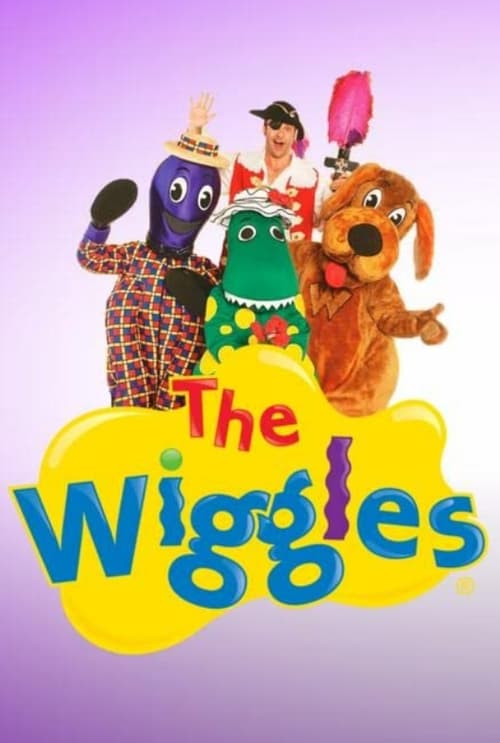 The Wiggles (1998)6.4
A show geared for babies up to older toddlers. This show is full of music, teaching kids songs and easy dances.
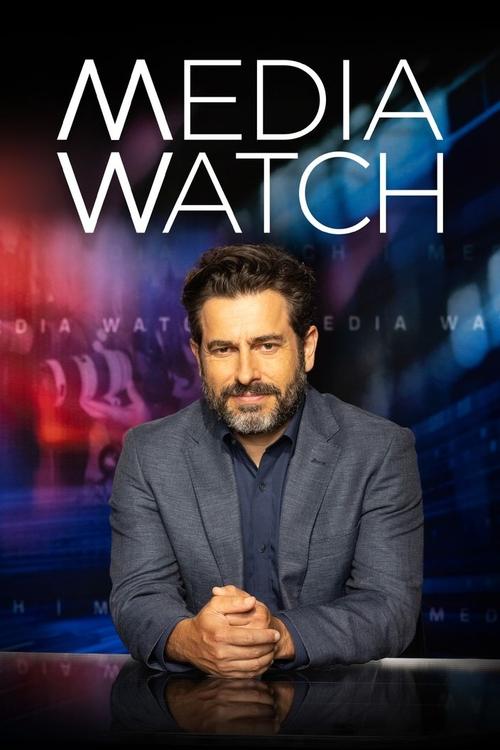 Media Watch (1989)5.7
An Australian media analysis television program currently focusing on critiquing the Australian media.
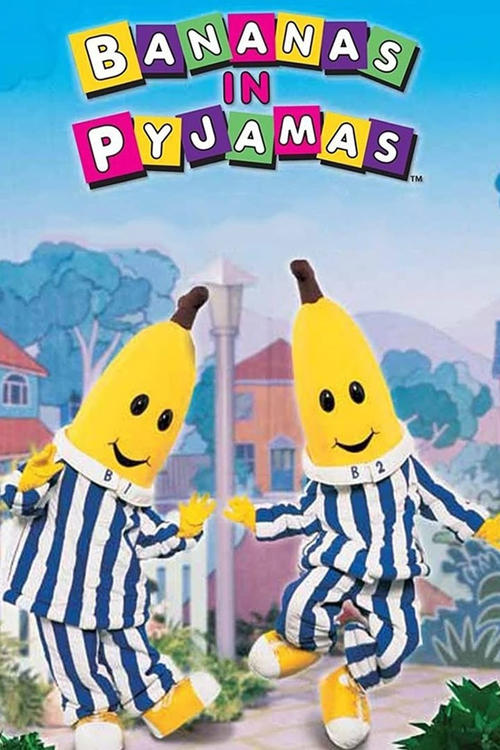 Bananas in Pyjamas (1992)5.5
Bananas in Pyjamas is an Australian children's television show that premiered on 20 July 1992 on ABC. It has since become syndicated in many different countries, and dubbed into other languages. In the United States, the "Pyjamas" in the title was modified to reflect the American spelling pajamas. This aired in syndication from 1995 to 1997 as a half-hour series, then became a 15-minute show paired with a short-lived 15-minute series The Crayon Box, under a 30-minute block produced by Sachs Family Entertainment titled Bananas in Pajamas & The Crayon Box. Additionally, the characters and a scene from the show were featured in the Kids for Character sequel titled Kids for Character: Choices Count. The pilot episode was Pink Mug.
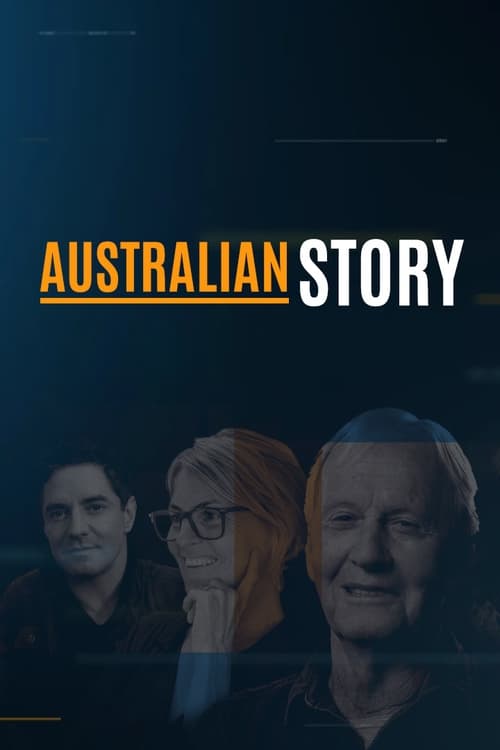 Australian Story (1996)5.3
Putting the "real" back into reality television, Australian Story is an award-winning documentary series with no narrator and no agendas — just authentic stories told entirely in people's own words.
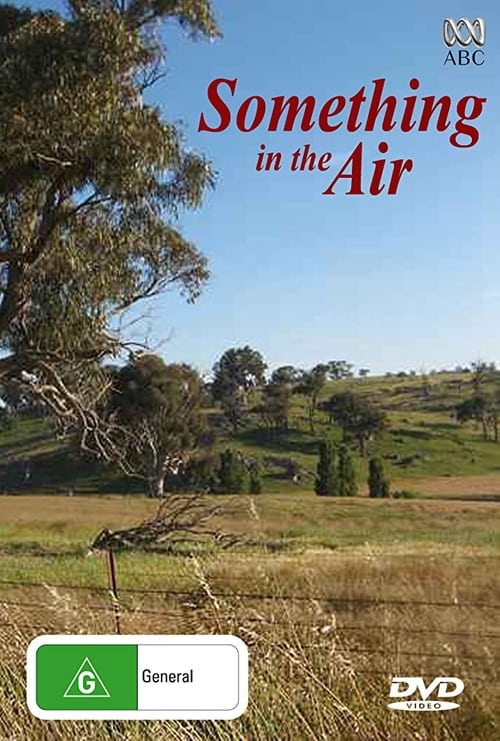 Something in the Air (2000)5.0
Something in the Air was an Australian television soap opera transmitted by the Australian Broadcasting Corporation between 2000 and 2002. It was one of the first programs in Australia that was filmed in widescreen. It won the AACTA Award for Best Television Drama Series in 2001.
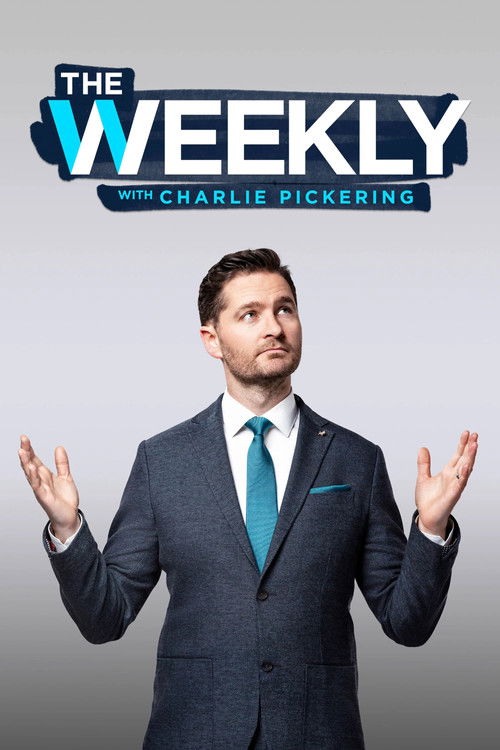 The Weekly with Charlie Pickering (2015)4.7
News comedy show, tonight show and chat show all in one, allowing Charlie to return to his comedy roots while being a general nuisance to newsmakers, politicians and other charlatans.
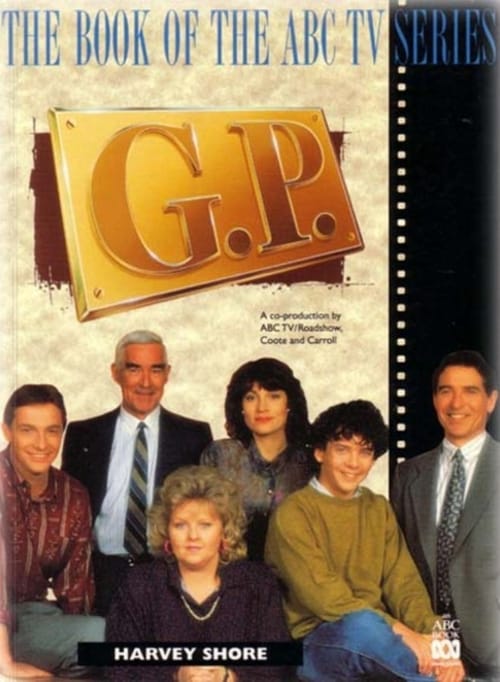 G.P. (1989)4.5
G.P. is an Australian television series produced by Roadshow, Coote & Carroll for the Australian Broadcasting Corporation, with the series being made between 1989 and 1996.
 Q&A (2008)3.2
Hosted by Hamish Macdonald, Q&A puts punters, pollies and pundits together in the studio to thrash out the hot issues of the week. It's about democracy in action - the audience gets to ask the questions.